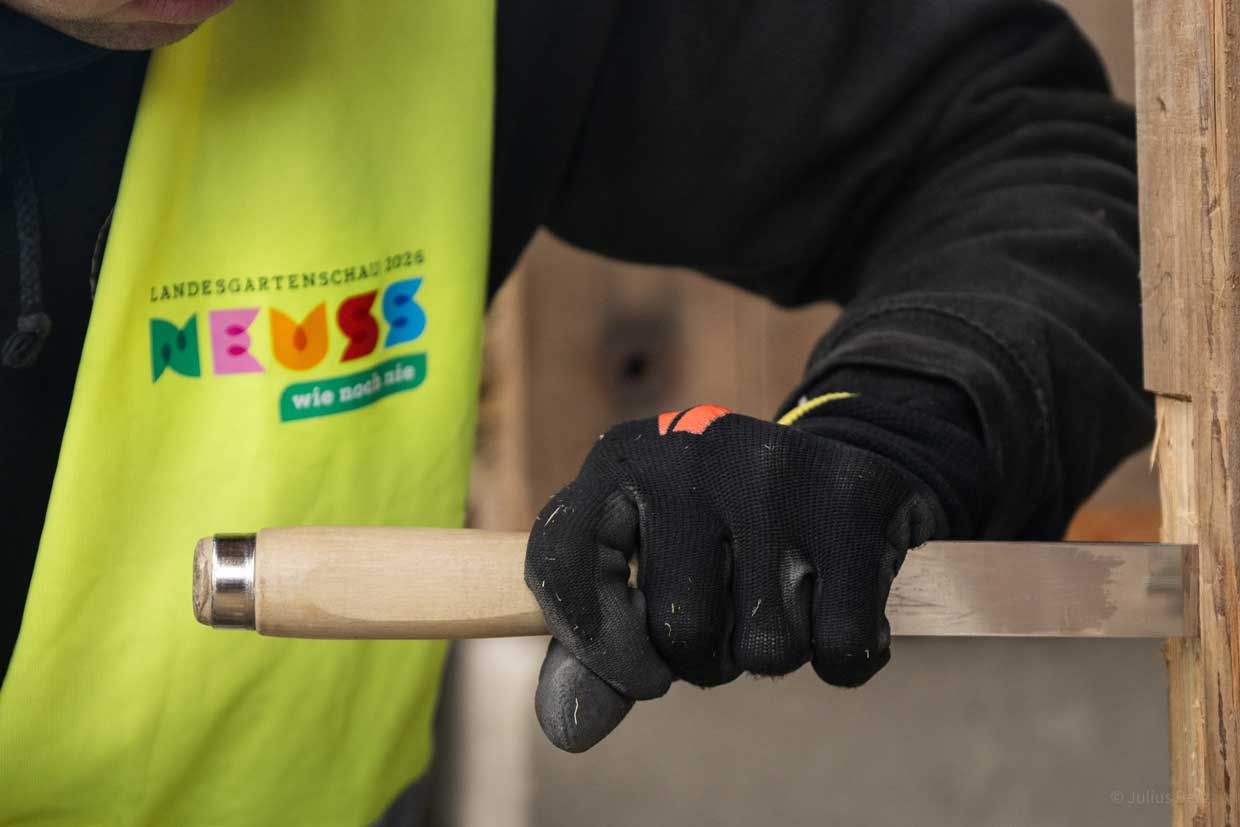
Neuss, a city steeped in history, is currently embarking on an extraordinary journey of urban transformation. The former Neuss Racetrack, for 144 years a symbol of equestrian excitement, is being reimagined as a vibrant, green urban oasis. This ambitious project culminates in LAGA 2026 (Landesgartenschau), a state garden show that promises not just a temporary spectacle, but a permanent green heart for the community. For anyone seeking to understand the pioneering spirit of sustainable urban development, new guides laga neuss will soon emerge, spotlighting how historical preservation, ecological design, and community engagement are paving the way for a greener future.
This article delves into the fascinating metamorphosis of the racetrack, highlighting the innovative principles of circular economy, the groundbreaking design of structures like the Skater Pavilion, and the visionary individuals driving Neuss towards a truly sustainable urban landscape.
From Galloping Horses to Green Oasis: The LAGA 2026 Vision for Neuss
The Neuss Racetrack holds a significant place in local lore, with horses first galloping across its turf in August 1875. For generations, it was a hub of sport and social gathering. However, in December 2019, after 144 years of exhilarating races, the operations ceased. Rather than seeing this as an end, the city of Neuss embraced it as a unique opportunity – a chance to redefine urban space and set new standards for ecological regeneration.
LAGA 2026, the State Garden Show, is not merely an event; it's a powerful catalyst for this transformation. The vision extends far beyond the exhibition period, aiming to establish a lasting recreational area that will serve the people of Neuss and the surrounding region. This new "green heart" embodies several core principles:
- Proximity to the city center: Making green spaces easily accessible to urban dwellers.
- Respect for local history: Integrating the site's rich past into its new identity.
- Commitment to circular economy: Utilizing resources efficiently and sustainably.
The entire endeavor is a testament to how urban planning can creatively merge recreation with ecological principles, offering a fresh perspective on how cities can evolve. Future guides laga neuss will undoubtedly direct visitors to the historical markers seamlessly integrated into the new park landscape.
The Skater Pavilion: A Beacon of Sustainable Design and Community Spirit
At the forefront of this sustainable revolution stands the Skater Pavilion, a structure that perfectly encapsulates the ethos of the entire LAGA 2026 project. Commissioned by Simple Architecture, a firm founded by German architect Jan Glasmeier, this pavilion is a prime example of how innovative design can be both ecological and socially responsible.
Franziska Müller, an architect associated with the project, emphasizes Simple Architecture’s commitment to "robust, cost-effective, and aesthetic buildings" created using simple, local materials combined with traditional techniques and modern architectural flair. Their approach is refreshingly pragmatic and deeply rooted in sustainability:
- Resource Reutilization: The wooden doors from the former horse stables have been given a second life, forming a key part of the pavilion's structure and aesthetic.
- Natural Insulation: The walls are innovatively insulated with straw, a low-impact, readily available material.
- Eco-friendly Finishes: Clay plaster is used for the walls, further reducing the building's environmental footprint.
What truly sets Simple Architecture apart is its participatory approach. Planning and construction often involve local craftspeople, fostering knowledge transfer and a strong sense of community identification with the finished buildings. This principle, successfully applied in diverse contexts from Thailand to Africa, proves equally effective on the old Neuss Racetrack. During LAGA 2026, the pavilion will serve as an exhibition space and a sheltered meeting point, before ultimately becoming a dedicated new hub for the local skating community, complementing existing bowls and ramps.
For a deeper dive into this innovative structure, explore our article on Eco-Pioneer Neuss: Skaterpavillon Leads Sustainable Racetrack Revival.
Preserving History, Embracing the Future: The Neuss Racetrack's Legacy
One of the most compelling aspects of the Neuss transformation is its thoughtful integration of the past into the future. Instead of simply demolishing the old structures, the project respectfully preserves and recontextualizes key elements of the racetrack's heritage, allowing its story to continue in a new form.
- The Sand Track as a Biotope: The very heart of the former racing circuit, the sand track, is not being paved over but is being retained and developed into a valuable biotope. This transformation turns a former sports surface into a thriving ecological habitat, showcasing nature's resilience.
- Architectural Preservation: Iconic buildings such as the betting hall, the grandstand, and the old totalisator, with their distinctive 1950s charm, are being preserved. These structures will likely find new purposes, integrating their historical character into the modern park landscape.
- Functional Elements as Art: Even utilitarian features like the floodlight masts and camera towers are being integrated into the new park concept. They become sculptural elements, silent sentinels that nod to the site's past, adding a unique industrial aesthetic to the green surroundings.
This approach demonstrates a profound understanding that a sustainable future doesn't always require a complete break from the past. By weaving historical elements into the new design, the park gains a unique identity and a compelling narrative. These elements will be key points in future guides laga neuss, offering visitors a fascinating blend of historical reflection and modern green design.
Practical Insights for a Greener Tomorrow: The Circular Economy in Action
The transformation of the Neuss Racetrack is more than just a landscape project; it's a living laboratory for the principles of the circular economy. Architect Franziska Müller's philosophy underscores this, born from a conviction that architects bear significant responsibility for the social and ecological compatibility of their projects. Her dedication to ecological and practical building, honed since her studies, is evident throughout the Neuss initiative.
The practical application of circular design principles, as exemplified by the Skater Pavilion, offers valuable insights for anyone interested in sustainable development:
- Prioritize Reuse: Before considering new materials, always look for opportunities to reuse existing resources. The old horse stable doors are a perfect example.
- Embrace Local Materials: Sourcing materials locally reduces transportation costs and carbon footprint, while also supporting local economies and craftsmanship.
- Choose Natural and Renewable: Opt for materials like straw, clay, and wood, which have lower environmental impacts during production and can often be recycled or composted at the end of their lifecycle.
- Design for Longevity and Adaptability: Create robust structures that can withstand time and potentially adapt to different uses, extending their lifespan.
- Involve the Community: A participatory design process fosters ownership and ensures the project truly serves the needs and desires of the people who will use it.
These strategies not only minimize waste and reduce the carbon footprint but also create spaces that are deeply connected to their environment and their inhabitants. The Neuss project illustrates how a commitment to circularity can lead to innovative, beautiful, and highly functional spaces. To understand the broader philosophy driving this project, read about Circular Neuss: Rethinking Design for LAGA 2026's Green Heart.
Conclusion
The transformation of the Neuss Racetrack into a vibrant recreational park, spearheaded by LAGA 2026, is a truly inspiring undertaking. It’s a testament to how urban spaces can be reimagined through sustainable design, historical reverence, and genuine community engagement. From the innovative Skater Pavilion showcasing circular economy principles to the thoughtful integration of the racetrack's legacy, Neuss is setting a benchmark for green urban development.
As the city prepares to welcome visitors to LAGA 2026, it offers a glimpse into a future where cities are greener, more resilient, and more connected to their past. We encourage you to explore the developing guides laga neuss to experience firsthand this remarkable journey towards a green urban future.