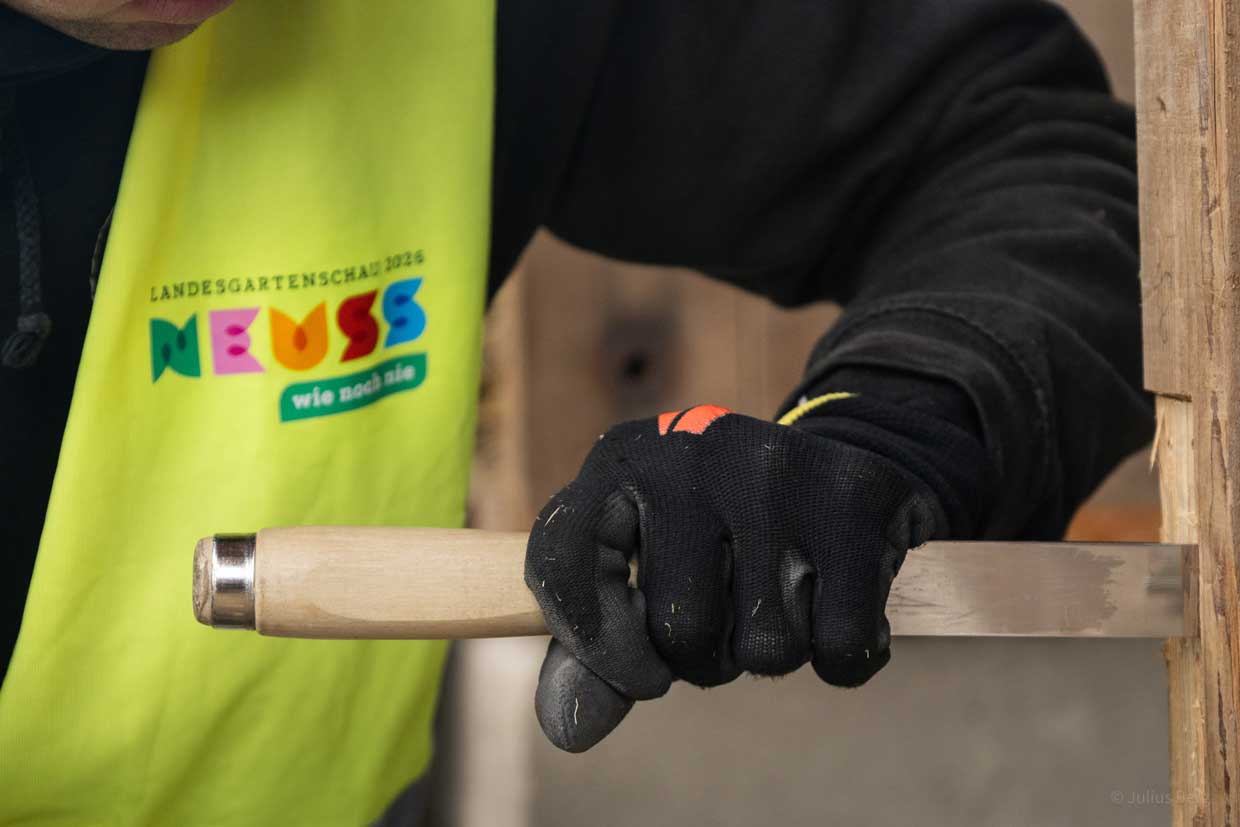
Circular Neuss: Rethinking Design for LAGA 2026's Green Heart
Neuss, a city rich in history, is currently undergoing a remarkable transformation, setting a new standard for sustainable urban development. As we look towards LAGA Neuss 2026 (Landesgartenschau – State Garden Show), the city isn't just planning a temporary horticultural spectacle; it’s cultivating a lasting "Green Heart" for its community, deeply rooted in the principles of circular design. This isn't merely about planting flowers; it's about reimagining how we build, interact with our environment, and preserve our heritage. For anyone seeking comprehensive
guides LAGA Neuss and insights into its groundbreaking approach, this article delves into the innovative strategies shaping Neuss's green future.
LAGA Neuss 2026: Cultivating a Green Heart for the Community
The former Neuss Gallop Racetrack, once a thundering arena of equestrian sport, is being reborn as an expansive recreational park. This ambitious project, culminating in LAGA Neuss 2026, aims to create a vibrant green lung for residents and visitors alike, blending nature with urban life. The vision extends far beyond the duration of the garden show; it promises a permanent natural haven that remains close to the city center, intimately connected to the site's rich history, and committed to the philosophy of the circular economy.
Imagine a space where the echoes of hoofbeats are replaced by the laughter of children and the rustle of leaves. This "Green Heart" will offer diverse ecological and social benefits. It will serve as a critical urban green space, improving air quality, enhancing biodiversity, and providing vital habitats. For the community, it means readily accessible natural beauty for relaxation, sport, and social gatherings. The thoughtful integration of existing structures, rather than wholesale demolition, ensures that the spirit of the old racetrack lives on, weaving a compelling narrative between past and future. This adaptive reuse approach is a cornerstone of circular design, minimizing waste and maximizing the value of existing assets. For a deeper dive into this incredible transformation, you can explore:
Neuss Racetrack Transformed: LAGA 2026 & Green Urban Future.
Simple Architecture: Crafting Sustainability with Local Roots and Participatory Design
At the forefront of LAGA Neuss's sustainable ethos is the work of Simple Architecture, led by founder Jan Glasmeier. This innovative German architectural firm champions a social and ecological approach to construction, emphasizing simplicity, local materials, and traditional techniques. Franziska Müller, an architect deeply involved in the Neuss project, explains their philosophy: "We combine traditional techniques with modern architecture to create robust, cost-effective, and aesthetically pleasing buildings."
What truly sets Simple Architecture apart is its *participatory design process*. This isn't just about architects drawing plans; it's about involving local craftspeople and communities in every stage of planning and construction. This collaborative model fosters invaluable knowledge transfer, empowers local economies, and, crucially, builds a stronger sense of ownership and identification with the resulting structures. Imagine the pride local artisans feel knowing their hands helped shape a lasting community asset. This principle has proven successful in diverse global contexts, from Thailand to Africa, demonstrating its universal applicability. The good news for Neuss is that after the racetrack's operations ceased in December 2019, much of its infrastructure remained, providing a unique opportunity to apply these sustainable principles right on home turf.
The Skater Pavilion: A Beacon of Resourceful Design
One of the most compelling examples of circular design in action at LAGA Neuss 2026 is the new Skater Pavilion. This facility beautifully illustrates how resourcefulness and creativity can transform forgotten materials into vibrant new spaces. The history of the site itself is fascinating; the first horse race galloped in Neuss in August 1875, and after 144 years, racing concluded in 2019. Where jockeys once dismounted, walkers will soon stroll through lush green landscapes.
The Skater Pavilion, though a new build, arises largely from the very fabric of the old racetrack. The wooden doors of the former horse stables, rich with history and character, are given a second life as part of the pavilion's structure. Its walls are insulated with natural straw, and the plaster is crafted from local clay. This conscious choice of materials significantly reduces the project's environmental footprint, showcasing a commitment to reducing waste and promoting natural, breathable construction.
During LAGA Neuss 2026, the pavilion will serve as an exhibition space and a sheltered meeting point, offering visitors a firsthand look at sustainable construction. Post-LAGA, it will become a permanent hub for the local skating community, complementing the existing bowls and ramps. This dual-purpose design ensures its longevity and continuous value to the community. As an eco-pioneer project, the Skater Pavilion is an exemplar of thoughtful, sustainable development. Discover more about this pioneering structure here:
Eco-Pioneer Neuss: Skaterpavillon Leads Sustainable Racetrack Revival.
Beyond the Pavilion: Weaving Circularity into LAGA Neuss's Fabric
The circular economy principles at LAGA Neuss extend far beyond the Skater Pavilion. The entire transformation of the racetrack is a masterclass in adaptive reuse and resource preservation. The iconic sand track, for instance, the very heart of the former racing circuit, will not be obliterated but instead preserved as a vital biotope. This creative repurposing transforms an artificial feature into a natural habitat, enhancing local biodiversity.
Even elements like the floodlight masts and camera towers, once crucial for race operations, are being thoughtfully integrated into the new park concept. Rather than being scrapped, they become structural features, perhaps supporting new installations or simply standing as monuments to the site's past, blending seamlessly with the future landscape. Furthermore, historic buildings such as the betting hall, the grandstand, and the old Totalisator, with their charming 1950s aesthetic, are being retained. This preserves architectural heritage, maintains the site's unique character, and avoids the significant environmental impact of new construction.
Franziska Müller's dedication to ecological and practical building, honed since her architecture studies, underpins much of this vision. She states, "It was clear to me from the beginning that architects bear responsibility for the social and ecological compatibility of their projects." This awareness has driven her specialization in this field, paralleling her engagement with the Social Architecture association, where she works on projects in places like Kenya. Her insights highlight a critical shift in architectural thinking: moving from a linear "take-make-dispose" model to a circular one that prioritizes longevity, adaptability, and minimal environmental impact.
Practical Tips for Embracing Circular Design in Urban Projects:
*
Conduct Material Audits: Before demolition or new construction, thoroughly assess existing materials for reuse potential.
*
Prioritize Adaptive Reuse: Look for creative ways to repurpose existing structures or elements rather than building new.
*
Engage Local Craftspeople: Foster community involvement and knowledge transfer, enhancing local skills and ownership.
*
Choose Local, Natural Materials: Reduce transport emissions and support regional economies.
*
Design for Disassembly: Plan new components so they can be easily reused or recycled at the end of their life.
*
Embrace Biotope Creation: Integrate natural habitats and ecological corridors to boost biodiversity.
The Enduring Legacy of Circular Neuss
LAGA Neuss 2026 is more than just a garden show; it's a testament to the power of thoughtful, sustainable urban development. By embracing circular design, respecting history, and fostering community participation, Neuss is creating a legacy that will benefit generations. The transformation of the old racetrack into a "Green Heart" demonstrates that sustainability isn't about compromise, but about ingenious design that enhances both ecological well-being and community vibrancy. For those interested in the future of green urban spaces, the innovative strategies deployed in Neuss provide invaluable
guides LAGA Neuss and inspiration for projects worldwide. It's an invitation to witness firsthand how cities can truly flourish in harmony with their environment, creating spaces that are not only beautiful but also profoundly sustainable.